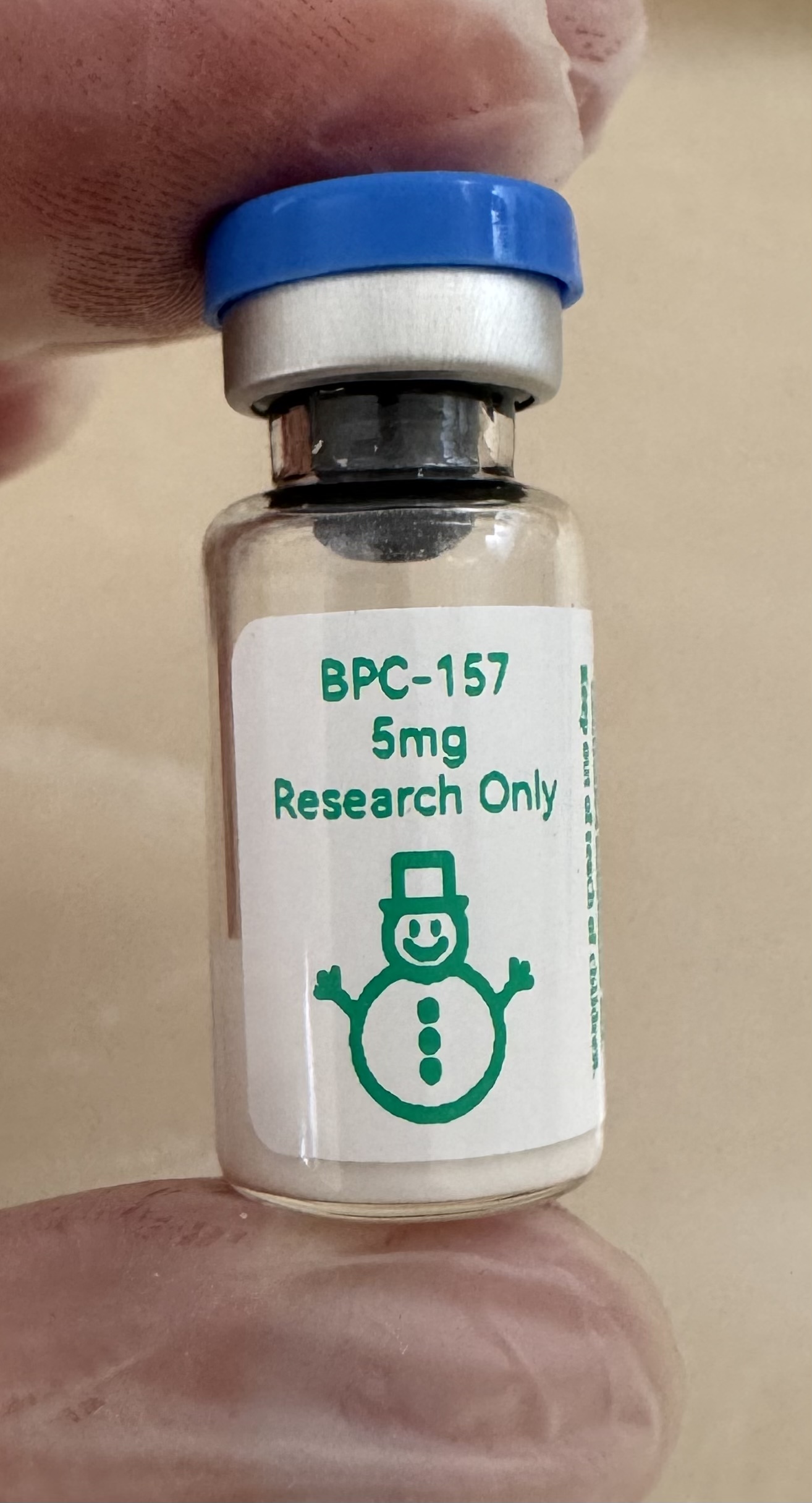
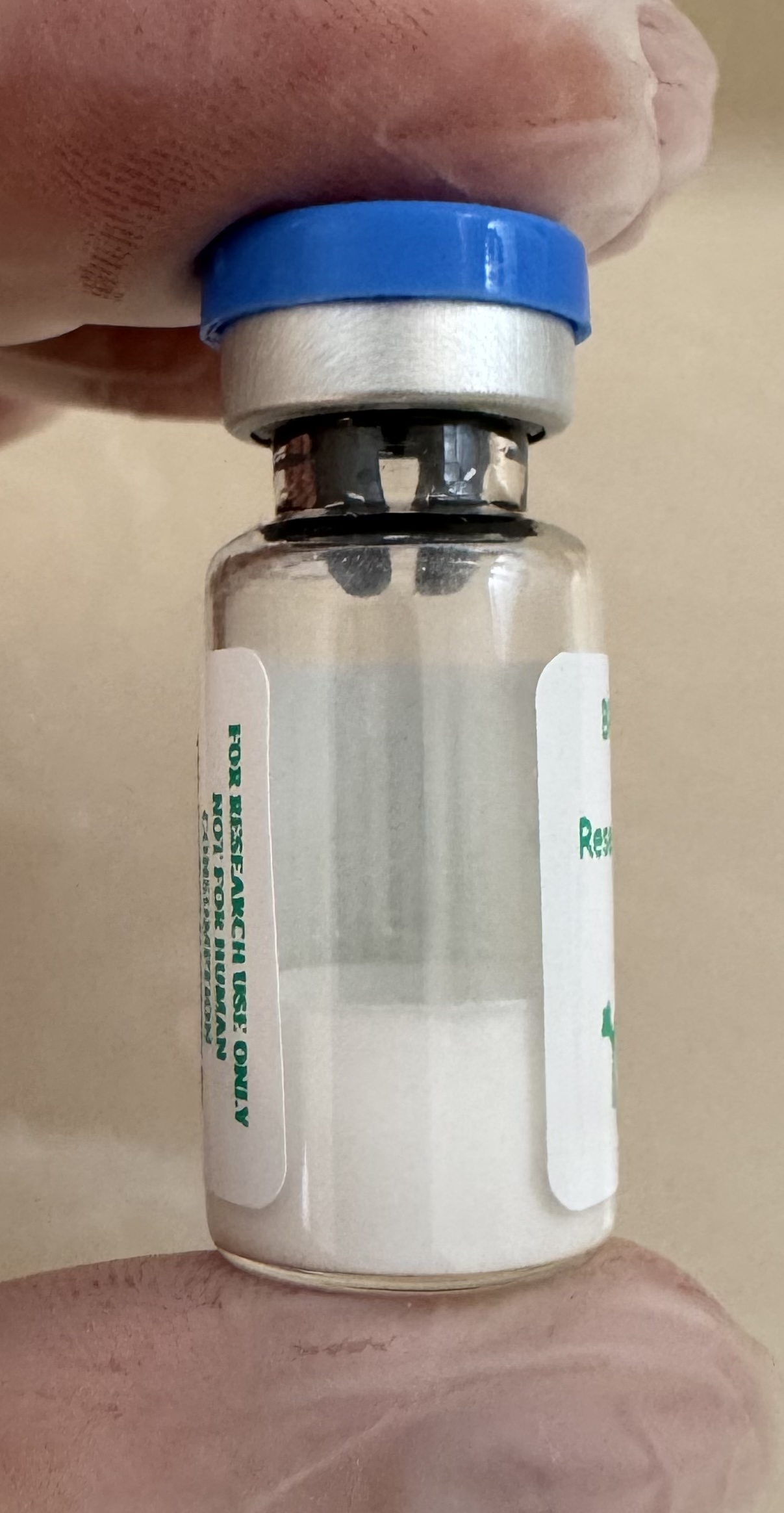
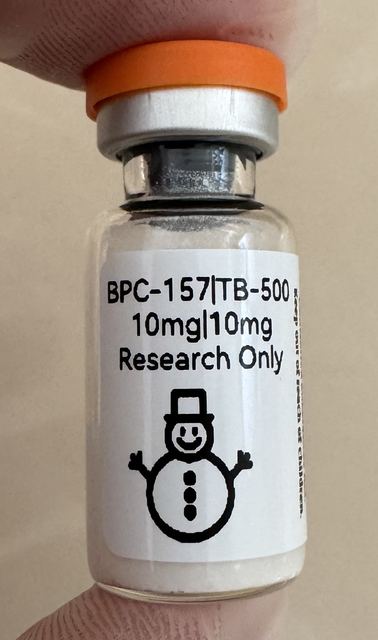
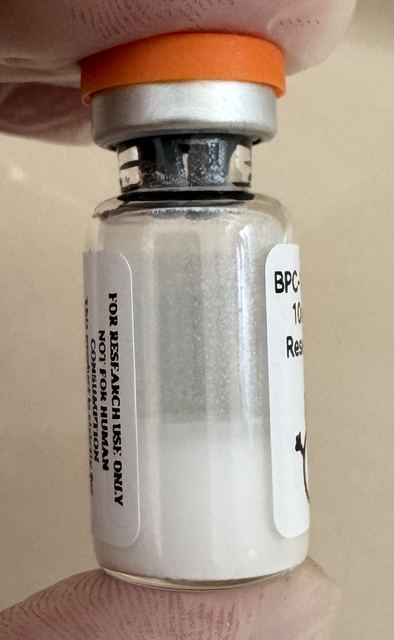
Gastric pentadecapeptide BPC-157: a research overview
Pour something warm and settle in. This is a calm look at what published research says about the gastric pentadecapeptide BPC-157, which has been studied mostly in laboratory and animal settings; BPC-157 preclinical tendon studies are a good example.
Please note: Snowman Research does not offer dosing information or usage guidance of any kind. Everything we list, this item included, is sold strictly for research purposes and nothing else.
Published findings
Most of what we know about BPC-157 comes from preclinical work. Pharmacology researchers at the University of Zagreb reviewed a large body of rodent studies in 2018, covering injury models of the esophagus, stomach, intestine, tendon, ligament, muscle and bone [1]. At the cell level, a group in Taiwan found the peptide accelerated fibroblast outgrowth from rat Achilles tendon explants and raised cell survival under hydrogen-peroxide stress, while proliferation itself was unchanged [2]. When orthopaedic researchers systematically reviewed the field in 2025, only one of 36 eligible studies involved people, a small retrospective series, and they reported finding no clinical safety data [3]. Taken together, the evidence is early-stage and should be read with that in mind.
Mechanism at a glance
BPC-157 is a synthetic peptide of 15 residues, derived from a protein fraction ("body protection compound") described in human gastric juice [2]. The cited literature has not pinned down a dedicated receptor. Proposed mechanisms focus on blood-vessel formation (angiogenesis) and interplay with growth-factor signaling [1], along with activation of the FAK-paxillin pathway in tendon fibroblasts [2]. The 2025 review also summarized preclinical reports of higher growth hormone receptor expression and lower inflammatory cytokines [3].
Regulatory & WADA notes
BPC-157 has not been approved by the U.S. Food and Drug Administration [3]. The FDA maintains a web page on bulk drug substances that may pose significant safety risks in compounding; it lists BPC-157 among substances that were previously in category 2 and whose nominations were withdrawn, noting concerns about immunogenicity, impurities and missing safety data [4]. Athletes should know that WADA calls out BPC-157 by name: it sits in section S0 (non-approved substances) of the 2026 List, a category banned in and out of competition [5].
Thanks for reading. Stay warm, and keep your bench notes tidy.
Further reading
- BPC 157 and Standard Angiogenic Growth Factors. Gastrointestinal Tract Healing, Lessons from Tendon, Ligament, Muscle and Bone Healing. Curr Pharm Des. 2018;24(18):1972-1989. PMID 29998800. https://pubmed.ncbi.nlm.nih.gov/29998800/
- The promoting effect of pentadecapeptide BPC 157 on tendon healing involves tendon outgrowth, cell survival, and cell migration. J Appl Physiol (1985). 2011;110(3):774-80. PMID 21030672. https://pubmed.ncbi.nlm.nih.gov/21030672/
- Emerging Use of BPC-157 in Orthopaedic Sports Medicine: A Systematic Review. HSS J. 2025;21(4):485-495. PMID 40756949. https://pubmed.ncbi.nlm.nih.gov/40756949/
- Certain Bulk Drug Substances for Use in Compounding that May Present Significant Safety Risks. U.S. Food and Drug Administration, human drug compounding web page (accessed Oct 4, 2026). https://www.fda.gov/drugs/human-drug-compounding/certain-bulk-drug-substances-use-compounding-may-present-significant-safety-risks
- World Anti-Doping Code International Standard: Prohibited List 2026 (in effect 1 January 2026). World Anti-Doping Agency, 2026 Prohibited List. https://www.wada-ama.org/sites/default/files/2025-09/2026list_en_final_clean_september_2025.pdf
For laboratory research use only. This product is not intended for human or veterinary use and is not an FDA-approved drug; nothing on this page is medical advice. You must be 21 or older to purchase.