BPC-157 vs TB-500: structure, origin and naming
BPC-157 and TB-500 get mentioned in the same breath so often that they are easy to blur together. They are different molecules with different origins. This guide compares structure, origin and naming only. It makes no efficacy claims, and both are sold strictly for laboratory research.
Snowman Research does not offer dosing information or usage guidance of any kind. Everything on this page is reference material about research products sold for laboratory research only.
| BPC-157 | TB-500 | |
|---|---|---|
| What it is | A synthetic pentadecapeptide (15 amino acids) | A synthetic fragment of thymosin beta-4 |
| Length | 15 residues[1] | 7 residues: LKKTETQ, as listed by the FDA[3] |
| Parent molecule | A protein fraction ("body protection compound") described in human gastric juice[1] | Thymosin beta-4, a 43-amino-acid protein that binds actin[4] |
| Name | BPC stands for body protection compound; the literature also calls it the "stable gastric pentadecapeptide" | A name for the fragment, not for full-length thymosin beta-4 |
| State of the literature | Mostly preclinical: a 2025 systematic review found only one of 36 eligible studies involved people[2] | Nearly all published biology concerns full-length thymosin beta-4; the FDA reports no human exposure data for the fragment[3] |
| WADA 2026 List | Section S0 (non-approved substances)[5] | Section S2.3, which extends to thymosin-β4 derivatives such as TB-500[5] |
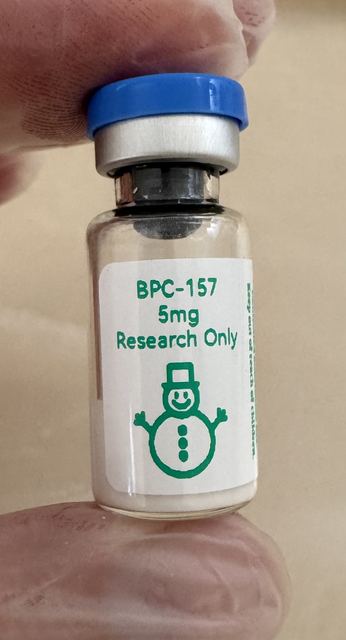
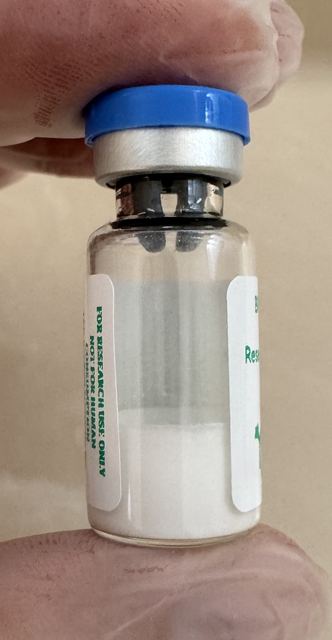
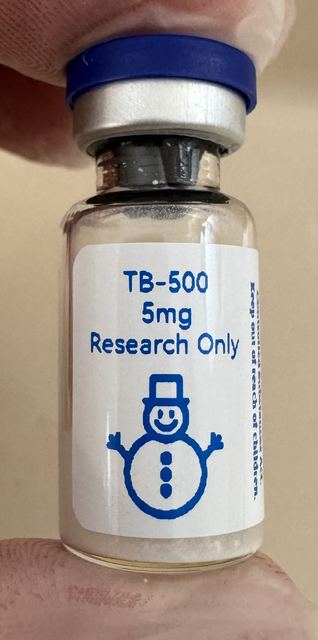
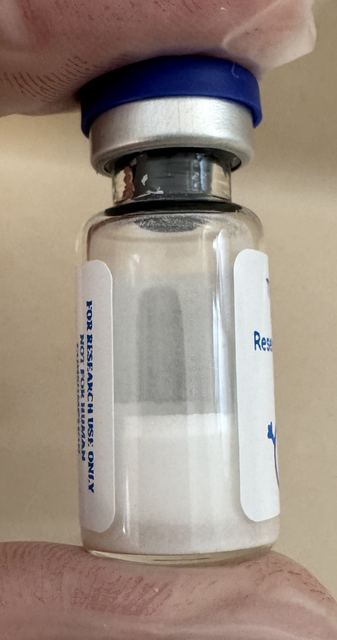
| Vials we stock | BPC-157 5mg | TB-500 5mg |
The naming mix-up
"TB-500" and "thymosin beta-4" are often used as if they were the same thing. They are related but not interchangeable: thymosin beta-4 is the full 43-amino-acid protein, while TB-500 is a synthetic peptide based on a short segment of it. Findings reported for the full-length protein should not be assumed to apply to the fragment.
Both in one vial
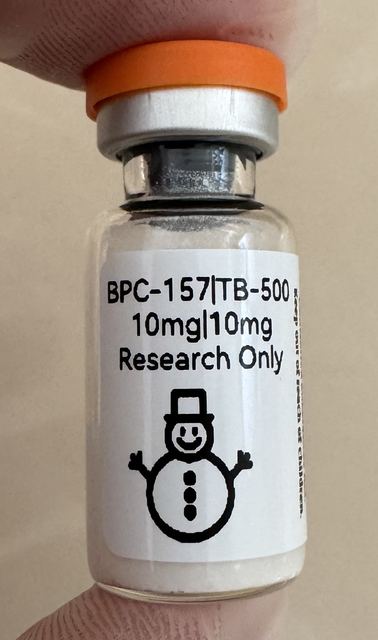
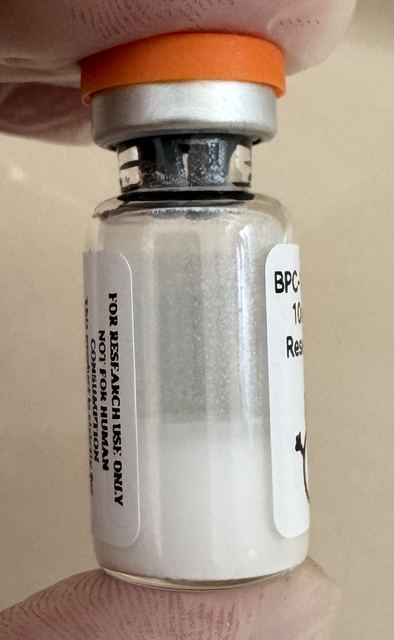
If you need both on the bench, the BPC-157 + TB-500 combo holds 10mg of each in a single freeze-dried vial. The GLOW vs KLOW vs Wolverine guide shows how that pair is extended in the GLOW and KLOW blends.
On our shelf
Sources
- The promoting effect of pentadecapeptide BPC 157 on tendon healing involves tendon outgrowth, cell survival, and cell migration. J Appl Physiol (1985). 2011;110(3):774-80. PMID 21030672. https://pubmed.ncbi.nlm.nih.gov/21030672/
- Emerging Use of BPC-157 in Orthopaedic Sports Medicine: A Systematic Review. HSS J. 2025;21(4):485-495. PMID 40756949. https://pubmed.ncbi.nlm.nih.gov/40756949/
- Certain Bulk Drug Substances for Use in Compounding that May Present Significant Safety Risks. U.S. Food and Drug Administration, human drug compounding web page (accessed Oct 4, 2026). https://www.fda.gov/drugs/human-drug-compounding/certain-bulk-drug-substances-use-compounding-may-present-significant-safety-risks
- Thymosin β4: a multi-functional regenerative peptide. Basic properties and clinical applications. Expert Opin Biol Ther. 2012;12(1):37-51. PMID 22074294. https://pubmed.ncbi.nlm.nih.gov/22074294/
- World Anti-Doping Code International Standard: Prohibited List 2026 (in effect 1 January 2026). World Anti-Doping Agency. https://www.wada-ama.org/sites/default/files/2025-09/2026list_en_final_clean_september_2025.pdf
For laboratory research use only. Not for human or veterinary use, not FDA-approved, and nothing on this page is medical advice. You must be 21 or older to purchase.