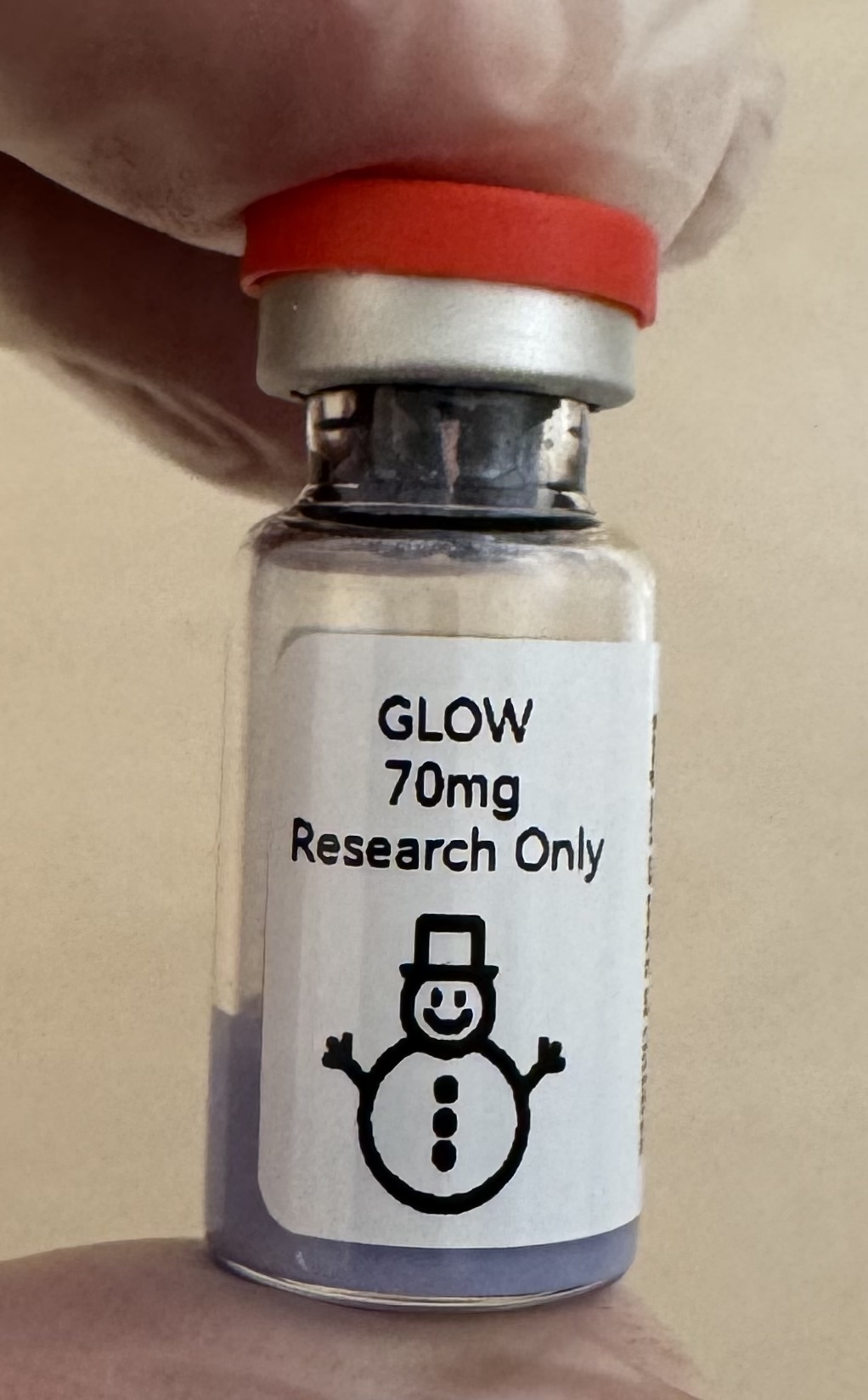
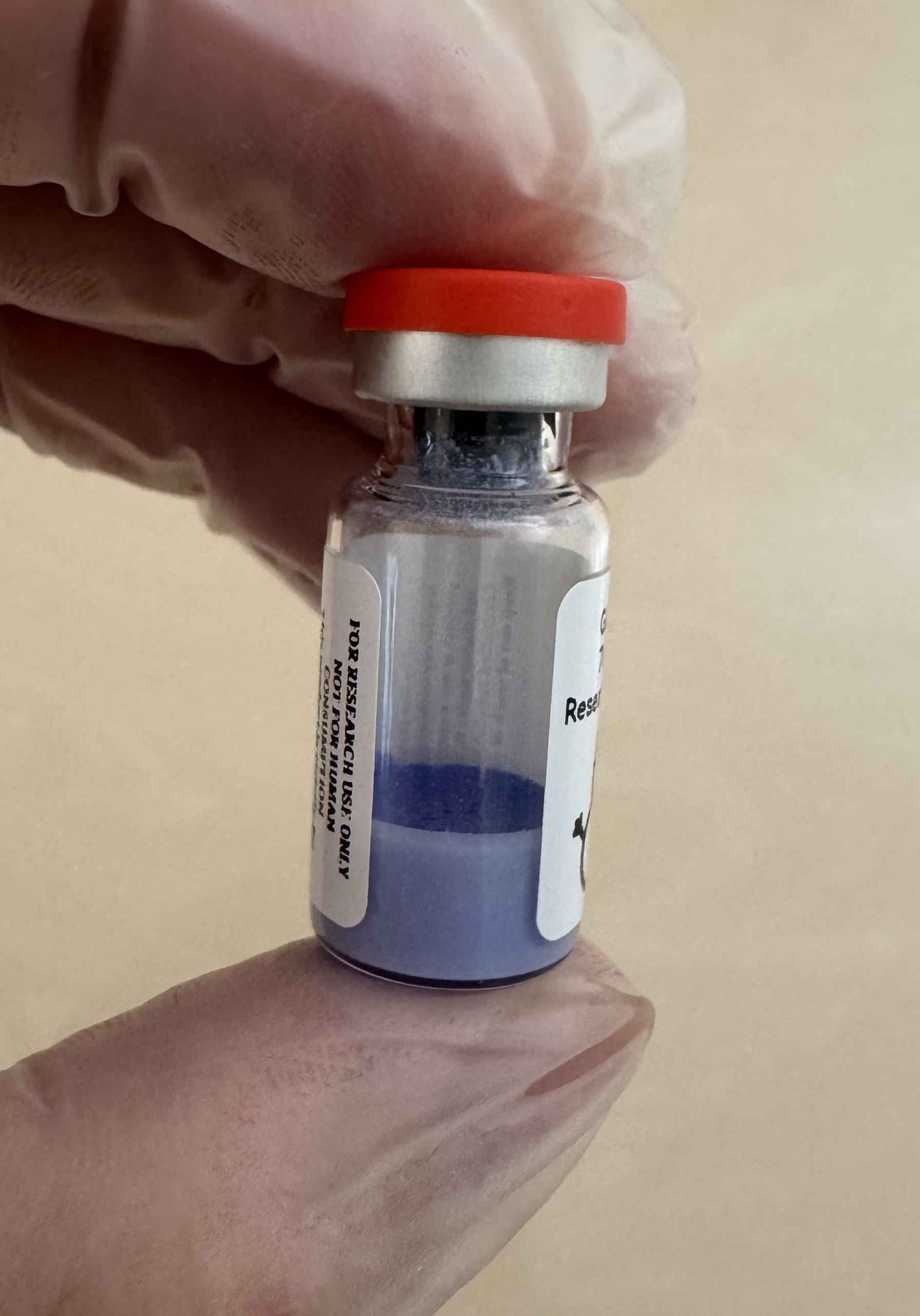
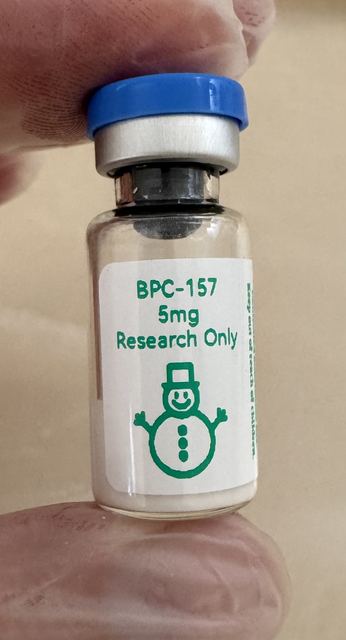
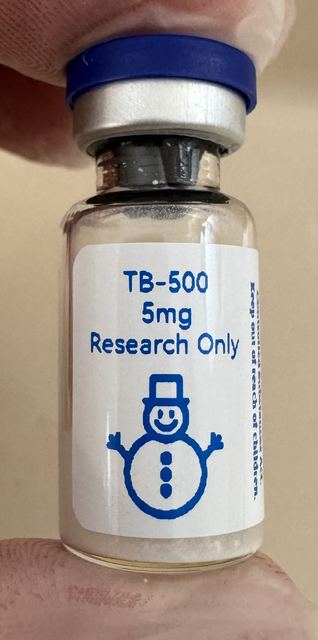
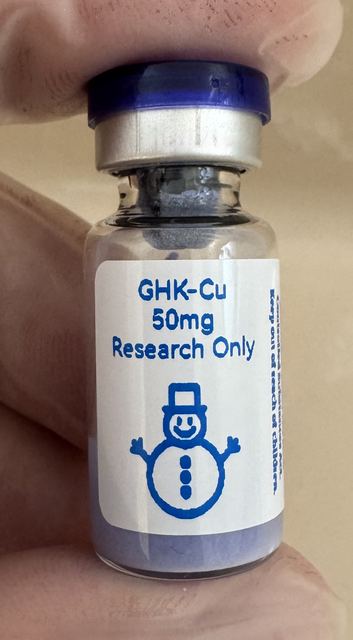
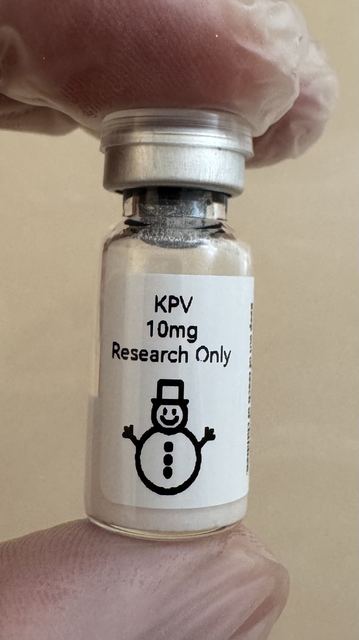
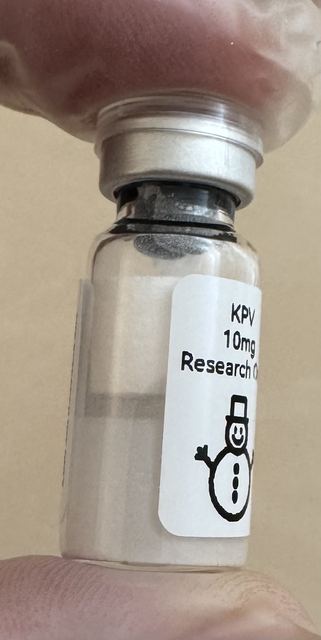
GLOW blend (GHK-Cu, BPC-157, TB-500): research on each component
GLOW brings together three peptides that are usually studied apart: GHK-Cu, BPC-157 and TB-500. For anyone comparing GLOW vs KLOW vs Wolverine, the difference is simply the ingredient list (KLOW adds KPV; Wolverine drops GHK-Cu). Here's a gentle walk through what's been published on each.
Please note: Snowman Research does not offer dosing information or usage guidance of any kind. Everything we list, this item included, is sold strictly for research purposes and nothing else.
Published findings
Each ingredient has its own mostly preclinical literature, and none of it examines the three together. For the copper peptide, published reviews gather wound and remodeling observations across several organ systems, from the skin to the stomach [1]. BPC-157 has been studied chiefly in rodent injury models of the digestive tract and musculoskeletal tissues [2]. Full-length thymosin beta-4, from which TB-500 is derived, has a wider research footprint that reaches into cardiac, ocular and neurological models [3]. On the human side, the FDA calls the data for injectable GHK-Cu limited and reports none at all for the TB-500 fragment [4]. Questions about stability, interaction or combined effect remain unaddressed in the cited work.
Mechanism at a glance
- GHK-Cu: a copper-binding tripeptide associated with collagen production and tissue remodeling in the literature [1].
- BPC-157: a 15-residue synthetic peptide with proposed angiogenic activity and no single known receptor [2].
- TB-500: a synthetic fragment (LKKTETQ, per the FDA) [4] of thymosin beta-4, which binds actin and supports cell migration [3].
Regulatory & WADA notes
The FDA's compounding-safety page places every ingredient here (with GHK-Cu listed for injectable routes) among the substances that once sat in category 2 before their nominations were withdrawn [4]. Athletes subject to anti-doping rules should know that the 2026 WADA List names two of the three outright, BPC-157 in section S0 and TB-500 in section S2.3, with no in-competition exception. The copper peptide has no entry of its own; S0 is a catch-all for unapproved substances, and the List doesn't say whether it reaches GHK-Cu [5].
Thanks for reading. Stay warm, and keep your bench notes tidy.
Further reading
- Regenerative and Protective Actions of the GHK-Cu Peptide in the Light of the New Gene Data. Int J Mol Sci. 2018;19(7). PMID 29986520. https://pubmed.ncbi.nlm.nih.gov/29986520/
- BPC 157 and Standard Angiogenic Growth Factors. Gastrointestinal Tract Healing, Lessons from Tendon, Ligament, Muscle and Bone Healing. Curr Pharm Des. 2018;24(18):1972-1989. PMID 29998800. https://pubmed.ncbi.nlm.nih.gov/29998800/
- Thymosin β4: a multi-functional regenerative peptide. Basic properties and clinical applications. Expert Opin Biol Ther. 2012;12(1):37-51. PMID 22074294. https://pubmed.ncbi.nlm.nih.gov/22074294/
- Certain Bulk Drug Substances for Use in Compounding that May Present Significant Safety Risks. U.S. Food and Drug Administration, human drug compounding web page (accessed Oct 4, 2026). https://www.fda.gov/drugs/human-drug-compounding/certain-bulk-drug-substances-use-compounding-may-present-significant-safety-risks
- World Anti-Doping Code International Standard: Prohibited List 2026 (in effect 1 January 2026). World Anti-Doping Agency, 2026 Prohibited List. https://www.wada-ama.org/sites/default/files/2025-09/2026list_en_final_clean_september_2025.pdf
For laboratory research use only. This product is not intended for human or veterinary use and is not an FDA-approved drug; nothing on this page is medical advice. You must be 21 or older to purchase.