Base vs salt peptides: acetate, TFA and sodium forms explained
Read enough peptide listings, catalogs and papers and you'll find the same molecule written several ways: semaglutide, semaglutide sodium, tirzepatide acetate, retatrutide TFA. Those extra words describe a salt form, not a different peptide chain. This guide explains what "base" and "salt" mean, why synthetic peptides so often come out of the lab as salts, what the FDA labels for the branded GLP-1 products actually list, how salt weight can show up on a label, and what a typical certificate of analysis does and doesn't tell you. It is chemistry and labeling reference only: no effect claims, no comparisons of forms, and nothing here is about how to use any product.
Snowman Research does not offer dosing information or usage guidance of any kind. Everything on this page is reference material about research products sold for laboratory research only.
| Free base | Acetate salt | TFA salt | Sodium salt | |
|---|---|---|---|---|
| What it is | The peptide written without a named counter-ion | Peptide paired with acetate counter-ions | Peptide paired with trifluoroacetate counter-ions | Peptide whose acidic groups are paired with sodium ions |
| How the name looks | "semaglutide", "tirzepatide" | "... acetate" | "... TFA" or "... trifluoroacetate" | "... sodium" |
| Where it often comes from | How the active ingredient is named on the branded labels[1][4] | Counter-ion exchange after synthesis; most approved peptide drugs are acetate salts[7] | Solid-phase synthesis, where TFA is used for cleavage and HPLC purification[7] | Salt formation on acidic side chains |
| Counter-ion mass | None named | Acetic acid: 60.05 g/mol per counter-ion[8] | Trifluoroacetic acid: 114.02 g/mol per counter-ion[9] | Sodium: about 23 g/mol per ion |
| FDA position (semaglutide) | The form in the approved drugs[6] | "Different active ingredient"[6] | Not addressed by name | "Different active ingredient"[6] |
Base and salt, in plain terms
Peptides are chains of amino acids, and several of those amino acids carry groups that can hold a charge: amines that pick up a positive charge and carboxylic acids that carry a negative one. In a dry powder, those charges are usually balanced by small partner ions called counter-ions.
When a peptide is described as a salt, the name tells you which counter-ion is paired with it: semaglutide acetate, semaglutide sodium, tirzepatide TFA. When it is called the base (or "free base"), it is written as the peptide alone, the way the FDA labels write "semaglutide" and "tirzepatide". The amino-acid sequence is the same in every case. What changes is what travels with it, and therefore what the powder weighs and how it is named.
Why synthetic peptides often come as acetate or TFA salts
Most research peptides are built by solid-phase synthesis. In the usual workflow, trifluoroacetic acid (TFA) is used to cut the finished chain off the resin and again as an additive during reversed-phase HPLC purification, so the peptide often comes out of the column as a trifluoroacetate (TFA) salt[7].
Manufacturers can then swap the counter-ion, for example to acetate or chloride, through counter-ion exchange steps. A review of peptide counter-ions notes that most approved peptide pharmaceuticals are acetate salts, and that the type and amount of counter-ion is an often overlooked property of synthetic peptides[7]. That is why searches like "what is TFA salt peptide" or "acetate vs TFA" are so common: the same sequence can reach a lab bench in more than one salt form, depending on how it was finished.
What the branded labels list as the active ingredient
The FDA prescribing information for each branded product names the peptide itself, with no salt in the active-ingredient line:
- Ozempic: "Active Ingredient: semaglutide"[1].
- Rybelsus and Wegovy tablets: semaglutide, formulated with salcaprozate sodium (SNAC), which the labels describe as an absorption enhancer[2][3]. The "sodium" there belongs to that separate inactive ingredient, not to the semaglutide.
- Wegovy injection: semaglutide, with disodium phosphate dihydrate and sodium chloride among the inactive ingredients[3].
- Mounjaro and Zepbound: "Active ingredient: tirzepatide", with sodium chloride and sodium phosphate listed as inactive ingredients[4][5].
Seeing "sodium" in an inactive-ingredient list does not make a product a sodium salt of the peptide; those are buffer and tonicity components. Retatrutide has no FDA label at all, because it is still investigational[10], so there is no approved form to point to.
What the FDA says about semaglutide salt forms
The FDA has addressed this directly for semaglutide. On its page about unapproved GLP-1 drugs, the agency says some semaglutide products sold by compounders may be salt forms, and that "these salt forms, including semaglutide sodium and semaglutide acetate, are different active ingredients than are used in the approved drugs." It adds that it does not have information on whether those salts have the same chemical and pharmacologic properties as the approved active ingredient, and that it is not aware of a lawful basis for using them in compounding[6].
That statement is about compounded medicines and names semaglutide specifically. It is a regulatory classification, and we report it as written without drawing conclusions from it about any product.
Salt weight, peptide content and what a COA shows
Because counter-ions have mass, a milligram of a peptide salt is not the same thing as a milligram of the peptide chain alone. Each acetate counter-ion corresponds to acetic acid at 60.05 g/mol[8] and each TFA counter-ion to trifluoroacetic acid at 114.02 g/mol[9], and a long peptide can carry several of them. Lyophilized powders can also hold residual water.
Product labels can handle this in different ways. Some state the gross weight of the powder, salt included. Others give peptide content (sometimes called net peptide content), the share of that weight that is the peptide itself. The branded labels, for comparison, express strength as milligrams of the named active ingredient, semaglutide or tirzepatide[1][4].
What a standard COA usually shows. Most standard research-peptide certificates of analysis report identity, HPLC purity and a measured amount in mg, and usually don't state the salt form. Janoshik, for example, describes its common GLP-1 test as giving "ID, amount and peptide purity"[11]. Counter-ion content is a separate test that only some labs offer. Janoshik lists TFA analysis as an optional add-on, reported in mg per vial[11], and Vanguard Laboratory lists a TFA analysis add-on alongside its purity, quantity and identity testing[12]. Custom peptide manufacturers such as GenScript and Bio-Synthesis offer counter-ion quantification covering acetate, chloride and TFA[13][14]. A TFA figure on its own tells you how much trifluoroacetate was found; it is not a full statement of the salt form.
One more distinction worth knowing: an HPLC purity figure describes how much of the peptide signal is the target sequence rather than related impurities. It is a different measurement from peptide content and does not account for counter-ions or water. When you compare documents, check which of these numbers each one reports, and whether any counter-ion test was run at all.
Quick answers
Is semaglutide sodium the same as semaglutide? It is the same peptide chain paired with sodium, but the FDA describes semaglutide sodium and semaglutide acetate as different active ingredients from the one in the approved drugs[6].
Tirzepatide acetate vs base: what's the difference? Tirzepatide acetate is the tirzepatide sequence paired with acetate counter-ions; the Mounjaro and Zepbound labels list the active ingredient simply as tirzepatide[4][5].
What is a TFA salt peptide? A peptide paired with trifluoroacetate counter-ions, which often come from the TFA used in synthesis and HPLC purification[7].
Does a COA tell you whether a peptide is a salt or a base? Usually not. Standard research-peptide COAs cover identity, HPLC purity and measured mg; the counter-ion has to be measured separately, and only some labs list that test[11][12].
Does retatrutide have an official base or salt form? Not a regulatory one. It is investigational, with no approved label that defines a form[10].
Looking for the names rather than the chemistry? Our Sema vs Tirz vs Reta name guide covers every brand, code and nickname.
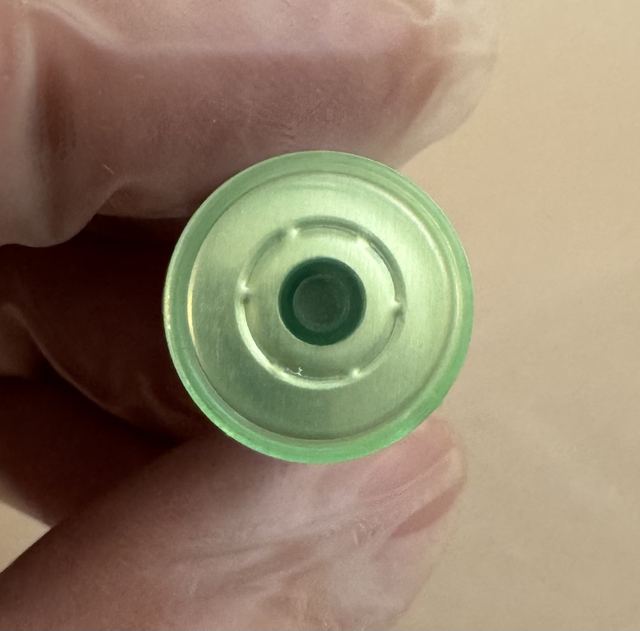
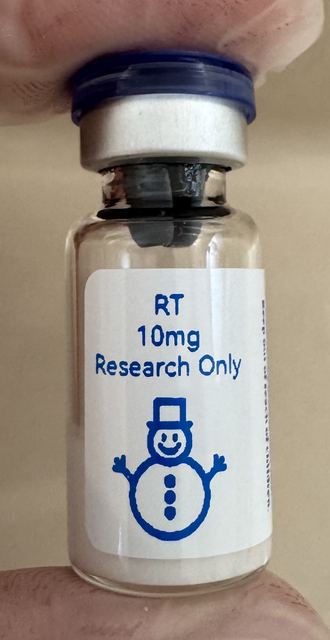
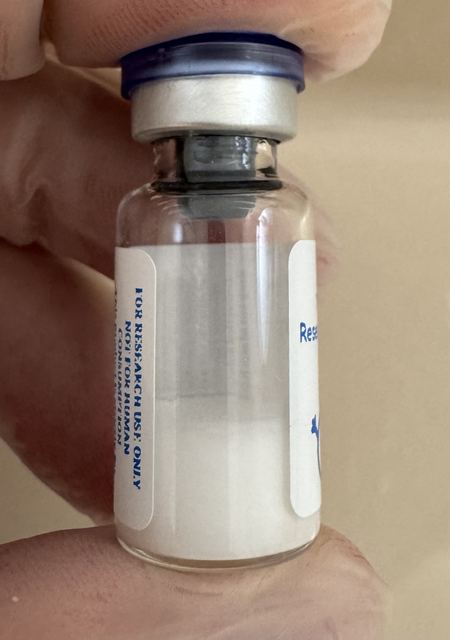
On our shelf
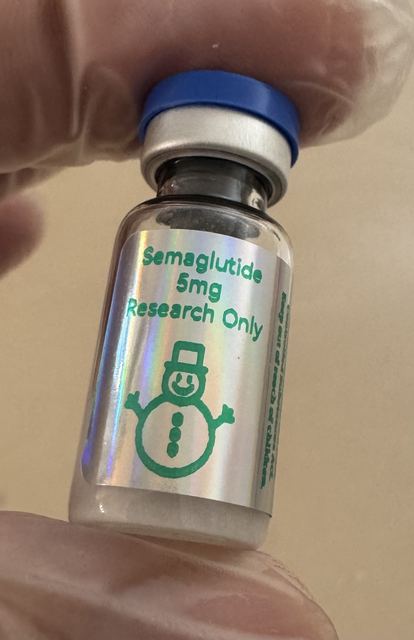
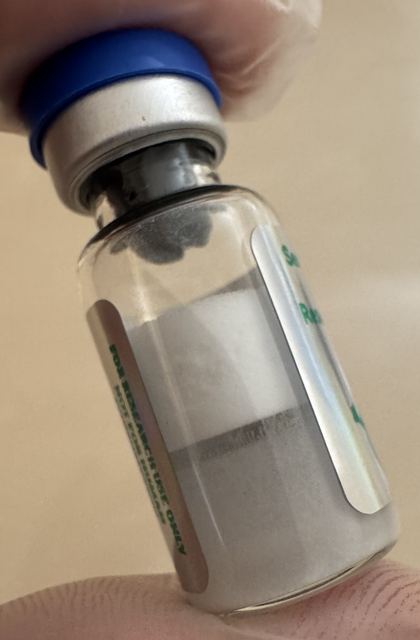
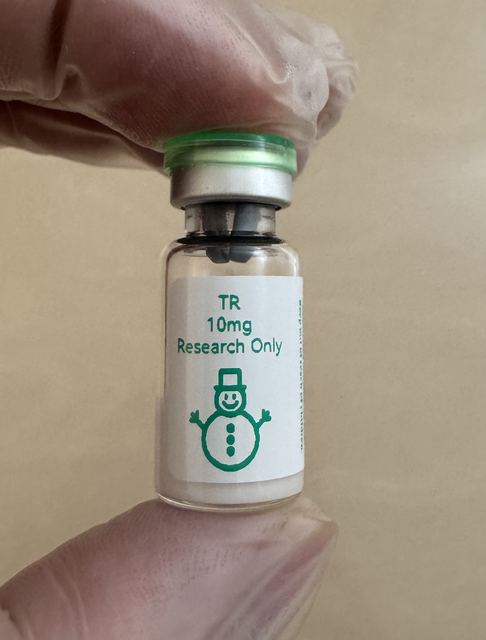
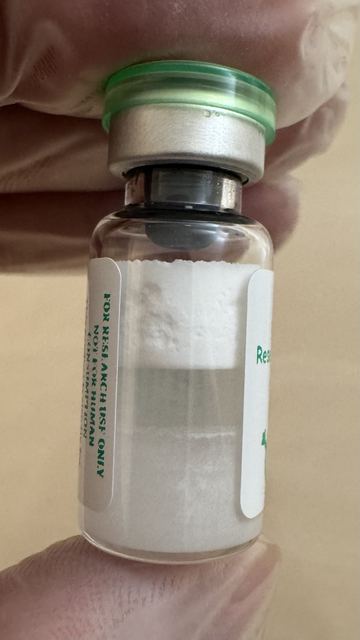
Sources
- OZEMPIC (semaglutide) injection, prescribing information. Novo Nordisk; label revised December 2017. Drugs@FDA. https://www.accessdata.fda.gov/drugsatfda_docs/label/2017/209637lbl.pdf
- RYBELSUS (semaglutide) tablets, prescribing information. Novo Nordisk; label revised September 2019. Drugs@FDA. https://www.accessdata.fda.gov/drugsatfda_docs/label/2019/213051s000lbl.pdf
- WEGOVY (semaglutide) injection and tablets, prescribing information. Novo Nordisk; label revised December 2025. Drugs@FDA. https://www.accessdata.fda.gov/drugsatfda_docs/label/2025/218316Orig1s000lbl.pdf
- MOUNJARO (tirzepatide) injection, prescribing information. Eli Lilly; label revised May 2022. Drugs@FDA. https://www.accessdata.fda.gov/drugsatfda_docs/label/2022/215866s000lbl.pdf
- ZEPBOUND (tirzepatide) injection, prescribing information. Eli Lilly; label revised November 2023. Drugs@FDA. https://www.accessdata.fda.gov/drugsatfda_docs/label/2023/217806s000lbl.pdf
- FDA's Concerns with Unapproved GLP-1 Drugs Used for Weight Loss (section: salt forms should not be used to compound semaglutide). U.S. Food and Drug Administration (accessed Oct 17, 2026). https://www.fda.gov/drugs/drug-alerts-and-statements/fdas-concerns-unapproved-glp-1-drugs-used-weight-loss
- Sikora K, et al. The Role of Counter-Ions in Peptides - An Overview. Pharmaceuticals (Basel). 2020;13(12):442. PMID 33287352. https://pubmed.ncbi.nlm.nih.gov/33287352/
- Acetic acid (CID 176), molecular weight 60.05 g/mol. PubChem, National Library of Medicine. https://pubchem.ncbi.nlm.nih.gov/compound/176
- Trifluoroacetic acid (CID 6422), molecular weight 114.02 g/mol. PubChem, National Library of Medicine. https://pubchem.ncbi.nlm.nih.gov/compound/6422
- Is retatrutide available in the consumer market? Lilly Medical Information, Eli Lilly and Company (last reviewed Aug 4, 2026). https://medical.lilly.com/us/products/answers/is-retatrutide-available-in-the-consumer-market-381272
- Common GLP-1 peptide blind test (Semaglutide, Tirzepatide and Retatrutide), test page with additional services incl. TFA analysis. Janoshik Analytical (accessed Oct 17, 2026). https://janoshik.com/pricelist/common-glp-1-peptide-blind-test-semaglutide-tirzepatide-and-retatrutide/
- Peptide testing: levels and add-ons incl. TFA analysis. Vanguard Laboratory (accessed Oct 17, 2026). https://vanguardlaboratory.com/peptide-testing/
- AccuPep+ peptide QC services: Counter Ion Quantification Analysis (acetate, hydrochloride, TFA). GenScript (accessed Oct 17, 2026). https://www.genscript.com/accupep_quality.html
- Peptide Counterion Analysis (Salt Form Characterization). Bio-Synthesis Inc. (accessed Oct 17, 2026). https://www.biosyn.com/tew/peptide-counterion-analysis.aspx
For laboratory research use only. Not for human or veterinary use, not FDA-approved, and nothing on this page is medical advice. You must be 21 or older to purchase.